
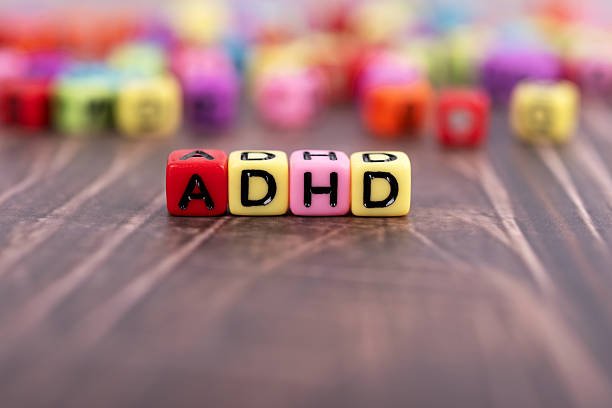
Why ADHD Falls Under the Neurodiversity Umbrella
Not everyone learns, thinks, or processes information in the same way, and it’s not a flaw. It’s simply the reality of human diversity. The concept of neurodiversity celebrates this truth, offering a framework that honors the wide spectrum of how human brains are wired, rather than measuring everyone against a single neurotypical standard. Understanding where ADHD fits within this framework can shift how we see and support those who live with it.

Understanding the Stigmas Around Neurodivergence
As our understanding of the human brain deepens, we’re learning more about how neurodivergent and neurotypical minds work differently. Yet despite this progress, persistent myths and stigmas continue to surround conditions like autism and ADHD. These misconceptions create unnecessary barriers for neurodivergent people to succeed in school, work, and independent life. They also prevent our communities from fully appreciating the unique strengths they bring to our shared human experience.

Helpful Tips for Supporting Your Neurodivergent Child
Whether your child is autistic, has ADHD, dyslexia, or another neurodivergent condition, understanding their unique way of experiencing the world is the best way to provide the support they need. Every child is different, but some general strategies are helpful for parenting neurodivergent kids. Here are several tips for supporting your neurodivergent child.

Are You Neurodivergent? Exploring the Signs and What They Mean
Lately, the term “neurodivergent” has become more popular in conversations about mental health, education, and workplace inclusivity. But what does it actually mean to be neurodivergent? And how can you tell if you fall into this category?