
Can Men Experience Postpartum Depression?
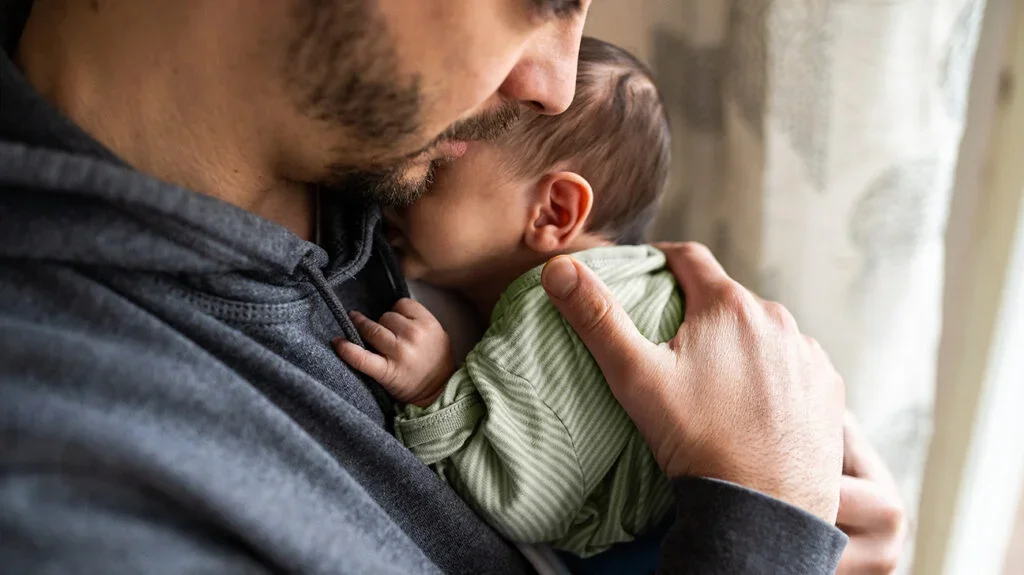
Conversations about life after having a baby are increasingly including postpartum depression, postpartum anxiety, and postpartum OCD. This matters because it helps new parents understand that the months after birth do not always go the way they expected, and it helps them get the support they need.
What gets discussed far less often is what happens to new fathers. Men can also go through significant mental health changes after a baby arrives, including postpartum depression. It is real, it happens more often than most people realize, and it deserves the same openness and understanding we are learning to extend to new mothers.
What Are the Symptoms?
Paternal postpartum depression shares many symptoms with the version new mothers experience, including:
Persistent low mood
Fatigue
Trouble concentrating
Changes in appetite
Loss of interest or joy in things you used to enjoy
There are also symptoms that show up more specifically in new fathers, such as:
Low confidence in their ability to parent
Avoiding caregiving tasks
Indecisiveness or overly rigid thinking
Irritability
Increased alcohol or drug use
More conflict with a partner, and in some cases, increased aggression
Who Is Most at Risk?
Paternal postpartum depression typically develops between three and six months after a baby is born, later than the timeline often seen in mothers. Fathers may be at higher risk if they have a history of depression, lack a strong support system, or are in a strained relationship with their partner.
The same holds true for fathers in financial stress. If they have a child with special needs or are dealing with their own health issues, they’re more likely to develop postpartum depression. Men whose partners also had postpartum depression are also at greater risk.
Why Does This Happen?
Hormones play a role. We associate hormonal shifts with mothers, and it is true that women’s bodies go through far more dramatic changes during pregnancy and birth. But research shows that testosterone often drops in new fathers after their partner gives birth. Some researchers believe the decline may support bonding with the baby, but lower testosterone has also been linked to depression.
Feeling disconnected, whether from the baby, from a partner, or from the parenting experience as a whole, can contribute too, especially if a father feels like he is on the outside of something the rest of the family is sharing. So can the psychological adjustment of becoming a parent, which calls for coping skills that not everyone has had the chance to build. And like new mothers, new fathers often deal with significant sleep deprivation, which can affect mood all on its own.
What Can You Do?
Recognizing that something is wrong is one of the most important first steps. Men are often discouraged from speaking openly about mental health struggles, but experiencing postpartum depression does not make you weak, or a bad partner, or a bad father. Getting help means you are doing right by yourself and your family.
A few places to start:
Talk about what you are feeling with your partner, parents, siblings, or a friend who will listen without judgment.
Take care of your body by eating well, moving regularly, and resting when you can.
Be mindful of alcohol, drug use, or other coping habits that can make things worse.
Reach out to a therapist, since this is one of the most important times to talk to someone.
Our office offers support for individuals and families navigating the challenges of new parenthood. Our therapists are ready to help through postpartum counseling for dads. Call us or keep browsing our website to learn more and to schedule an appointment.