
Anxiety in Children: When Should Parents Be Worried?
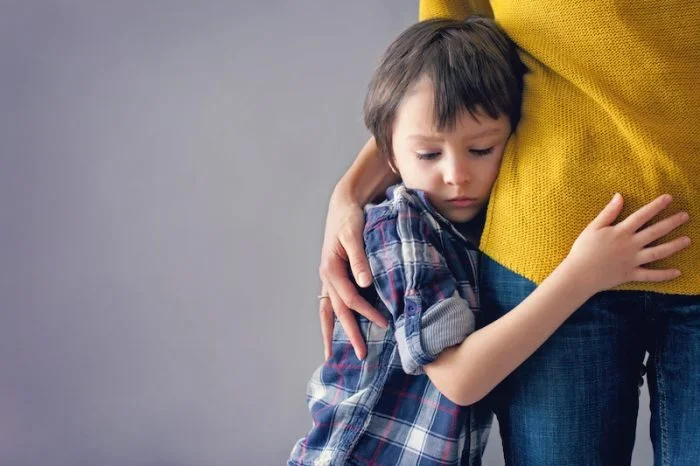
Some worry is a normal part of childhood. Young children may cry during separation, be afraid of the dark, or feel nervous before a big test. As kids grow older, their worries often shift toward fitting in, physical appearance, or even distressing news events they encounter online or at school.
These reactions are typically age-appropriate, and most children move through them without lasting difficulty. Anxiety becomes a concern when it lingers, when reassurance does not seem to help, and when it starts disrupting school, friendships, or daily functioning. Here’s how to tell when your child’s anxiety should be addressed in therapy.
Signs It’s Time to Seek Professional Support
Several patterns suggest a child could benefit from professional help. None is necessarily alarming alone, but taken together, or if persistent, they are worth discussing with a therapist:
Social Withdrawal: Declining invitations, eating lunch alone, or saying “no one likes me,” especially if this marks a shift from a more outgoing personality.
Sleep Disruption: Longer bedtime routines, frequent nighttime awakenings, refusing to sleep alone, or exhaustion that affects mood and school performance the next day.
School Interference: Reluctance to attend, reduced classroom participation, frequent trips to the nurse’s office, or teacher reports of withdrawal that were not there before.
Physical Symptoms: Recurring headaches or stomachaches, especially clustered around stressful events, with no clear medical cause. Children often express emotional distress through physical complaints because they lack the vocabulary for what they are feeling.
Growing Avoidance: An expanding list of activities or places a child avoids, to the point that the family restructures its routines around it. Avoidance can bring short-term relief, but it tends to reinforce anxiety over time rather than resolve it, making it a maladaptive coping strategy in the long run.
Statements That Need Immediate Attention
Pay close attention to what your child says, not just how they behave. Phrases like “nothing will ever get better,” “everyone hates me,” or comments about not wanting to be alive are significant red flags. These statements can signal anxiety, depression, or both, since the two conditions frequently occur together in children and teens.
Treat expressions of hopelessness or thoughts of not wanting to be alive as urgent, and seek professional consultation right away.
How Parents Can Help
Professional support is important for anxiety that is persistent or severe, but parents can also reinforce healthy habits at home in the meantime:
Practice grounding activities together, such as regular family time built around stress-relieving routines like walks, breathing exercises, or creative play.
Build confidence by celebrating small wins and reinforcing the idea that your child is capable of handling difficult moments, rather than shielding them from every hard thing.
Model healthy coping. Children learn a great deal simply from watching how the adults around them manage their own stress and setbacks.
Gently challenge anxious thinking by asking questions like, “Will everyone really think that?” or “Is this always true, or never true?” This helps children move away from all-or-nothing thinking and toward a more balanced, flexible view of situations.
How Therapy Can Help
Anxiety in children can look different depending on age, temperament, and circumstance, and some worry is simply part of growing up. But when anxiety becomes persistent, disproportionate to the situation, or starts interfering with daily life, it’s worth taking seriously rather than waiting to see if it resolves on its own. A licensed child therapist can help identify what is driving your child’s anxiety and build a plan tailored to their specific needs and personality.
If you are noticing these signs in your child, our team can help. We offer support for children, teens, and families. Call us today or visit our contact page to learn more or to schedule an appointment today.