
Anxiety in Children: When Is It Normal and When Should You Worry?
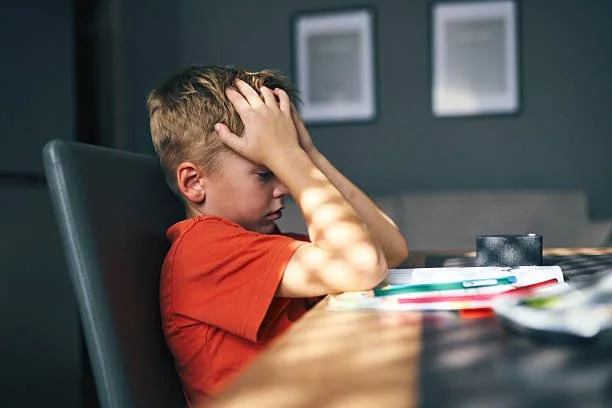
Kids worry about things. They don’t have much life experience, so everything from sleeping in the dark to an upcoming test to a brand new pimple can be a challenge. But not all worries are created equal. As a parent, watching your child struggle with stress can feel overwhelming. You might find yourself questioning whether their concerns are just a normal part of growing up or something that requires professional attention.
Understanding the difference between typical childhood anxiety and an anxiety disorder can help you determine when it’s time to seek support.
Normal Childhood Worries
It’s completely normal for children to experience anxiety about certain situations. A healthy amount of worrying can actually be beneficial by helping kids prepare for tests or navigate new social situations. Children take life quite seriously because they don’t have mature perspectives yet, which naturally leads to some worry.
When anxiety is within the normal range, it tends to be temporary and manageable. Your child can usually be reassured by their parents, and their worries typically pass once the concerning event is over. Kids with normal anxiety continue engaging with friends and family, participate in activities, and don’t avoid situations because of their worries. Most importantly, they demonstrate resilience and can overcome challenges that come their way.
Signs of an Anxiety Disorder
A child with an anxiety disorder experiences worry that looks quite different from normal developmental concerns. Their worries are often disproportionate to the actual situation and may focus on unrealistic worst-case scenarios. You might notice persistent “what if” thinking, particularly about topics like academic performance or family safety.
Children may avoid school or social situations like parties and friend gatherings. You might also notice that they’re perfectionistic about school, have declining grades despite trying hard in class, or difficulty making decisions about the future, especially in teenagers.
They may also exhibit physical symptoms, including:
Headaches
Stomach issues
Muscle tension
Sweating
Sleep disturbances
Fatigue
The key distinction is that these worries and physical symptoms are unmanageable, persist for extended periods, and don’t respond to typical consolation or reassurance. When anxiety interferes with your child’s daily functioning and doesn’t naturally resolve, it’s time to talk to a mental health professional.
How You Can Help
Be Their Support System
Your role as a parent is crucial in supporting an anxious child. You should be their go-to person when it comes to mental health. Create an environment where your child feels comfortable discussing their emotions. Let them know you’re available to listen and hold space for their feelings without judgment.
Don’t Reinforce Avoidance Behaviors
While it may be tempting to help your child avoid anxiety-triggering situations, avoidance actually reinforces anxiety over time. Instead, set realistic expectations and help them approach challenges with resilience. Validate their feelings rather than dismissing them when they try things that trigger their anxiety. Acknowledge that it’s okay to feel scared while also encouraging them to work through difficult situations.
Help Them Cope with Stress
Teach practical coping mechanisms that redirect attention away from anxious thoughts. Creative outlets, sports, or other engaging activities can provide healthy distractions during stressful times. Model these behaviors yourself by showing them how you relieve stress when you’re upset. You might even consider engaging in physical activities or other hobbies together as a family.
Seek Professional Support
If your child’s anxiety is interfering with their daily life, childhood anxiety therapy can give the right support catered to your child’s needs. Our therapists at Key Counseling Atlanta can help. Give us a call or visit our contact page to schedule an appointment. Let’s help your child develop the tools they need to manage anxiety effectively.